
A new study in the Journal of the American College of Cardiology says just seven to ten minutes of light jogging a day can add years to your life — yes, minutes. Not marathons. Not hill sprints. Just a little shuffle, and boom: longer life.
But here’s the twist. When people start running, they often forget one critical thing: food. Like, real food. Not just gels, bars, and that one banana you found at the bottom of your gym bag.
Running — even the “easy” kind — burns a surprising amount of energy. And when your fuel tank is running on empty, so do you. Energy crashes, recovery slows, and your legs start plotting their revenge.
So, what should you actually eat?
Glad you asked. Here are seven no-nonsense foods that consistently show up in research as the MVPs (Most Valuable Players) for runners:
Eggs
Eggs are basically the perfect protein source (unless you’re allergic, in which case — skip this one and move on).
They contain all nine essential amino acids your muscles need for recovery, plus B vitamins for energy metabolism. Translation: scrambled, boiled, or sunny-side-up — they help you run hard and bounce back. Also, don’t skip the yolk. That’s where the good stuff lives: vitamin D, choline, and even some omega‑3s if the chicken was living its best life.
Salmon or Chicken Breast
Pick your protein. Salmon brings omega‑3 fatty acids, which may reduce post-run soreness and inflammation. Chicken breast is lean, cheap, and still packs plenty of protein.
Either way, pairing it with some carbs helps shuttle amino acids into your muscles post-run. Think of it like protein’s Uber ride to recovery. Oh, and if you’re vegetarian? Consider lentils or tofu — the protein numbers can still work.
Oatmeal
Old-school, but for good reason. Oatmeal gives you complex carbs that digest slowly, keeping your energy steady instead of spiking and crashing halfway through your run.
Bonus: it’s also high in beta-glucan, a soluble fiber that supports heart health and may help your immune system. Because the last thing you need is getting sidelined with a cold during training week. Add bananas or berries for flavor and even more carbs (your muscles will thank you).
Rice or Quinoa
Runners need carbs. Period. But not all carbs are created equal. Rice is easy on the stomach and fast-digesting — perfect after a long run when your body’s in “give me glucose now” mode. Quinoa, on the other hand, brings protein, iron, and magnesium to the party.
Also: quinoa is technically a seed. (Does that change anything? Not really. But it sounds impressive.) These grains make great base layers for meals. Top with veggies, protein, olive oil — done.
Tart Cherry Juice
No, it’s not a gimmick. Several studies suggest tart cherry juice may actually reduce muscle soreness and improve recovery after endurance workouts. One study even showed better sleep quality, which also helps your body repair itself.
Just make sure it’s tart cherry juice — not the super-sweet stuff. And yes, it tastes a little weird at first. You get used to it.

Bananas
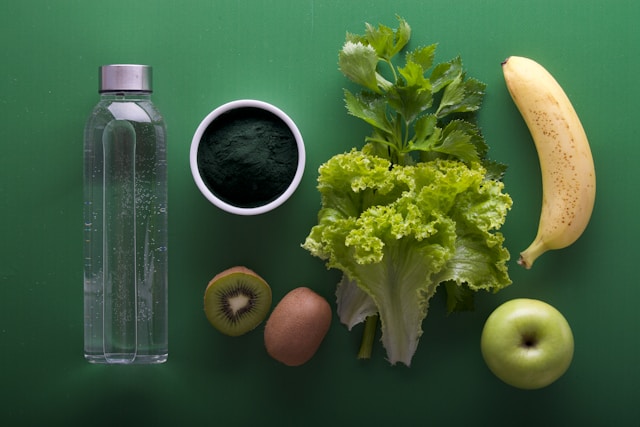
The runner’s cliché — and for good reason. Bananas are packed with fast-digesting carbs (hello, quick energy) and potassium, which helps prevent muscle cramps and supports fluid balance.
Eat one before a run, and your stomach stays happy. Eat one after, and your glycogen stores start rebuilding. Also: they come in their own biodegradable wrapper. Nature wins.
Greek Yogurt
It’s creamy, thick, and surprisingly powerful. Greek yogurt isn’t just a high-protein snack — it’s a one-stop shop for recovery. Each serving gives you a hefty dose of protein (up to 20g per cup), which your muscles are basically begging for after a run. But it’s not just about protein.
Greek yogurt also contains live probiotics — friendly bacteria that support gut health and help your body absorb nutrients more effectively. And when your gut’s working well, everything works better — energy, immunity, even mood.
Plus, the combo of slow-digesting protein and fast carbs (especially if you toss in some fruit or honey) makes it an ideal post-run refuel. The sugar spikes your insulin just enough to kick-start muscle repair, while the protein does the heavy lifting behind the scenes.
Want to upgrade it? Stir in berries for antioxidants, honey for carbs, or chia seeds for omega-3s. Or just eat it cold, straight from the tub, standing at your fridge in running shorts. No shame. That’s recovery too.
The Bottom Line
Every runner is different. What works for one might not work for another. But these 7 foods are like the base layer of a smart training diet.
Think of it less like a “runner’s meal plan” and more like building blocks — simple, proven, and easy to tailor to your taste. Because running should feel good, not like punishment for skipping kale. And remember: the best runner’s diet? The one that fuels your miles and your mood.