
How to Create a Balanced Menu for Families with Different Needs: Children, Adults, and Seniors
Planning meals for a family can be challenging, especially when household members belong to different age groups with varying nutritional requirements. Children need nutrients to support growth and development, adults require balanced energy to maintain productivity and overall health, and older adults often benefit from easily digestible foods that support immunity and bone strength. Creating a single menu that satisfies everyone may seem complicated, but with thoughtful planning, it is entirely achievable.
A successful family menu is built on balance, flexibility, and nutrient density. Rather than preparing completely separate meals, the key is to design a core structure that can be slightly adjusted to meet individual needs.
Understanding the Nutritional Differences
Each age group has specific dietary priorities.
Children require adequate protein, calcium, iron, healthy fats, and vitamins to support physical growth and brain development. They also tend to have smaller stomach capacities, meaning their meals must be nutrient-rich rather than calorie-heavy.
Adults typically focus on maintaining energy balance, supporting metabolism, and preventing lifestyle-related conditions such as obesity, high blood pressure, and type 2 diabetes. Fiber, lean protein, complex carbohydrates, and healthy fats play an essential role.
Seniors often experience slower metabolism, reduced appetite, and changes in digestion. Their meals should emphasize high-quality protein, calcium, vitamin D, B vitamins, and sufficient hydration. Texture and ease of chewing may also become important considerations.
Recognizing these differences allows families to build meals around shared foundations while adjusting portion sizes and specific ingredients.
Build Around Core Components
A practical way to structure a family menu is to use a simple plate model:
- Half the plate filled with vegetables and fruits
- One quarter with lean protein
- One quarter with whole grains or complex carbohydrates
- A source of healthy fats
This model works for all age groups. The adjustments come in portion size and preparation style.
For example, grilled chicken can serve everyone. Children might receive slightly smaller pieces with mild seasoning, adults may prefer additional spices, and seniors may benefit from softer cooking methods such as baking or stewing to improve digestibility.
Prioritize Nutrient Density
Instead of focusing solely on calories, aim for nutrient-dense foods. These provide vitamins and minerals without excessive sugar, salt, or unhealthy fats.
For children, nutrient-dense snacks such as yogurt with fruit, nuts (if age-appropriate), boiled eggs, or vegetable sticks with hummus can support growth between meals.
Adults benefit from balanced meals that avoid refined sugars and heavily processed foods, helping maintain stable blood sugar and sustained energy.
For seniors, nutrient density is especially important because appetite may decrease. Smaller portions must still provide adequate protein, fiber, and micronutrients.
Plan Smart Breakfasts
Breakfast sets the tone for the day. A well-balanced breakfast can work for the whole family with small modifications.
For example, oatmeal made with milk or fortified plant-based alternatives can serve all age groups. Add fresh berries for antioxidants, nuts for healthy fats, and seeds for fiber. Children may enjoy a drizzle of honey, while seniors might prefer softer toppings such as stewed fruit.
Including protein at breakfast—such as eggs, Greek yogurt, or nut butter—helps stabilize energy for adults and supports growth in children.
Make Lunch Practical and Balanced
Lunch should provide steady energy without causing fatigue. A family-friendly option might include:
- A whole-grain base such as brown rice or quinoa
- A protein source like fish, beans, or poultry
- A colorful variety of vegetables
For children, meals can be divided into smaller, visually appealing portions. For seniors, ensure vegetables are cooked to a texture that is easy to chew.
Hydration is equally important. Encourage water as the primary beverage across all age groups.
Design Flexible Dinners
Dinner often brings the family together, making it an ideal opportunity to serve one main meal with adaptable elements.
For example, baked salmon with roasted vegetables and sweet potatoes works well for everyone. Children may prefer smaller portions and milder seasoning. Adults can add leafy salads for additional fiber. Seniors may benefit from softer vegetables or pureed soups as a starter.
Avoid overly heavy or fried meals in the evening, as digestion can be slower for both children and older adults.
Address Specific Nutrient Needs
Certain nutrients deserve special attention in multi-generational households.
Calcium and vitamin D are critical for children’s bone development and for preventing bone loss in seniors. Include dairy products, fortified alternatives, leafy greens, and safe sun exposure where possible.
Iron is important for children and women of reproductive age. Incorporate lean meats, legumes, spinach, and vitamin C-rich foods to enhance absorption.
Protein is vital for muscle maintenance in seniors and growth in children. Distribute protein evenly across meals rather than concentrating it at dinner.
Consider Texture and Digestibility
For older adults, chewing and digestion may require softer textures and simpler preparations. Steamed vegetables, soups, stews, and baked dishes can be easier to manage than raw or heavily processed foods.
At the same time, children often respond better to appealing shapes and colors. Cutting fruits into fun forms or arranging vegetables creatively can improve acceptance.
Balancing texture and presentation ensures that meals are enjoyable for everyone.
Encourage Shared Eating Habits
A balanced menu is not only about nutrients—it is about habits. Eating together supports emotional well-being and encourages healthy patterns.
Avoid preparing entirely separate meals unless medically necessary. Instead, adapt shared meals thoughtfully. This fosters unity and reduces stress for the person responsible for cooking.
Involving children in meal preparation can increase their interest in healthy foods. Seniors can also share traditional recipes adapted for modern nutritional balance.
Plan Ahead for Success
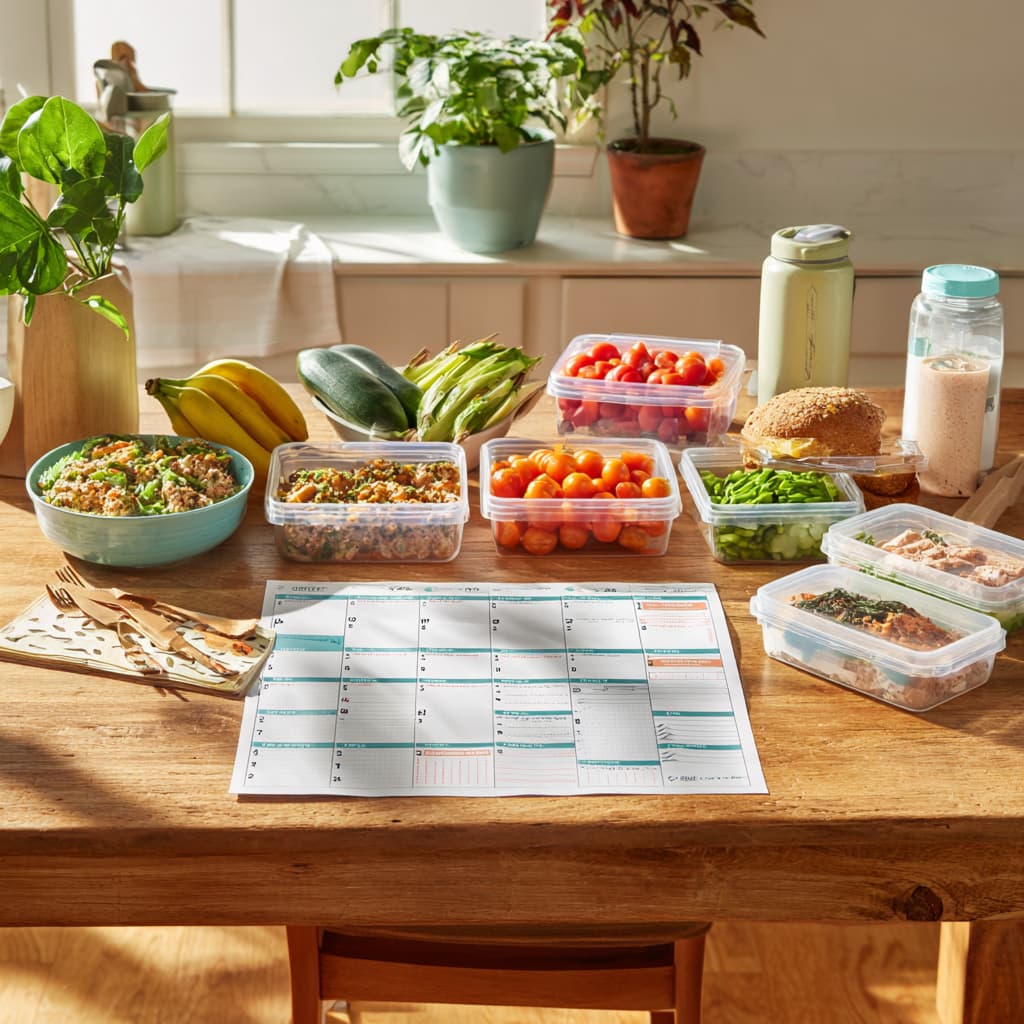
Weekly meal planning reduces impulsive food choices and helps ensure nutritional balance. Consider rotating proteins, incorporating seasonal vegetables, and preparing certain ingredients in advance.
Batch-cooking soups, grains, or roasted vegetables saves time and allows flexibility throughout the week.
Grocery lists based on planned menus prevent over-purchasing processed snacks and ensure essential ingredients are available.
Conclusion
Creating a menu for families with different nutritional needs does not require separate kitchens or complicated systems. By focusing on whole foods, balanced plates, and adaptable recipes, it is possible to meet the needs of children, adults, and seniors within a single framework.
The key principles are balance, nutrient density, flexibility, and thoughtful preparation. When meals are planned with intention, families can support growth, maintain energy, and promote long-term health across generations.
A well-designed family menu is more than a collection of dishes. It is a foundation for health, connection, and shared well-being.